

Water Kefir Second Fermentation
Water Kefir Second Fermentation: How to Get the Perfect Fizz Every Time
The Short Answer
Water kefir second fermentation is the stage where you bottle your finished first ferment with a small amount of fruit, juice or ginger and leave it sealed at room temperature for 24 to 48 hours. The remaining yeast consumes the added sugar and produces CO2 that has nowhere to escape in a sealed bottle, which creates the natural fizz. Once carbonated to your liking, move the bottles to the fridge to stop fermentation and lock the bubbles in.
In This Guide
Why You Need to Remove the Grains Before Second Fermentation
This is the most important thing to understand before you start. The grains must be removed and started in a fresh batch of sugar water before you bottle for second fermentation. Here is why each reason matters.Grain Health
Fruit juices, ginger and other flavourings can clog the surface of the grains and disrupt the microbial balance of the culture over time. Keeping the grains in plain sugar water preserves their vitality batch after batch.
Flavour Control
By flavouring only the bottled liquid, your grains remain neutral and ready to produce a clean base for any flavour combination you choose. If you flavoured in the first ferment your grains would carry that flavour into every subsequent batch.
Carbonation
Fizz only builds properly in a sealed bottle. Your first ferment jar has a breathable cover to allow airflow, which means CO2 escapes as it is produced. Sealing a bottle traps the gas and forces it into the liquid as carbonation.
What You Need for Water Kefir Second Fermentation
Equipment and Ingredients
- Finished first ferment water kefir, grains already removed
- Swing top glass bottles, 500ml is the most practical size for home brewing
- Fruit juice, fresh fruit or ginger, your flavouring of choice
- A funnel, optional but makes bottling much easier and less messy
NutriBrew Tip: Swing top glass bottles are the only safe choice for second fermentation. Regular screw top jars and plastic bottles are not built to handle the pressure that builds during carbonation and can crack, leak or fail. A set of good swing top bottles will last indefinitely and pay for themselves quickly.
Step by Step: Water Kefir Second Fermentation
The Process
Step 1: Strain your grains and start a new batch
Strain the grains out of your first ferment using a plastic strainer. Put the grains straight into a new jar of sugar water to keep them active. Do not leave them sitting dry.
Step 2: Add your flavouring to the bottle
Add your chosen fruit, juice or ginger to each bottle before filling. Around 50 to 100ml of juice per 500ml bottle works well as a starting point. See the flavour guide below for specific recommendations.
Step 3: Fill the bottle
Pour in your first ferment water kefir, leaving 2 to 3cm of headspace at the top. This gap is essential. Without it the pressure has nowhere to build safely and bottles can overflow or crack when opened.
Step 4: Seal and leave at room temperature
Seal the bottles and leave at room temperature for 24 to 48 hours. Burp each bottle once daily by opening briefly over a sink to release excess pressure and check carbonation levels.
Step 5: Check and refrigerate
Once you hear a satisfying hiss when opening a bottle, your carbonation is ready. Move all bottles to the fridge immediately. Cold temperatures stop fermentation and lock the fizz in at the level you want. Always open bottles slowly over a sink.
Water Kefir Second Fermentation Flavour Guide
The fruit or ingredient you add is what makes each batch your own. Different additions produce different carbonation levels and flavour profiles. Here are the most popular options and what to expect from each, all based on a 500ml bottle.Fresh Ginger
Amount: 1 thumb, grated
Flavour: Spicy, warming, clean
Carbonation: Very high, best once comfortable with the process
Raspberry
Amount: Small handful fresh or frozen
Flavour: Tart, fruity, vibrant
Carbonation: High, great for beginners
Mango Juice
Amount: 100ml
Flavour: Sweet, tropical, smooth
Carbonation: High, reliable and consistent
Apple Juice
Amount: 100ml
Flavour: Mild, sweet, familiar
Carbonation: Medium, ideal for first time second ferments
Lemon and Ginger
Amount: Juice of half a lemon, half thumb ginger
Flavour: Zesty, sharp, refreshing
Carbonation: High, a popular everyday combination
Blueberry
Amount: Small handful fresh or frozen
Flavour: Rich, slightly sweet, earthy
Carbonation: Medium, clean and reliable
Timing and Temperature in an Irish Kitchen
Temperature has a significant effect on how quickly carbonation builds during second fermentation. An Irish kitchen in July and an Irish kitchen in January are two very different fermentation environments.20 to 24°C, Summer Kitchen
Carbonation typically ready in 24 hours. Check bottles from day 1 and move to fridge as soon as fizz is at your preferred level.
18 to 20°C, Spring or Autumn
Allow 24 to 36 hours. Burp daily and be patient. The yeast is active but working at a slower pace.
Below 18°C, Winter Kitchen
Allow 36 to 48 hours or more. Move bottles to a warmer spot such as on top of the fridge or near the boiler to speed things up.
The Fruit Float Signal: When using whole berries or raisins, watch for the fruit rising to the surface of the bottle and staying there. This is a sign that CO2 has saturated the fruit and the liquid around it. When you see this, your carbonation is ready. Move the bottles to the fridge.
High Fizz vs Mild Infusion: Which Approach Suits You?
Not everyone wants maximum carbonation. Here are the two main approaches to second fermentation and when each one works best.High Fizz Method
How: Seal in swing top bottles with fruit juice or ginger. Leave at room temperature for 24 to 48 hours.
Result: Strong natural carbonation, soda style fizz, bold flavour.
Best for: Everyday drinking, fruit flavours, anyone who wants a genuinely fizzy drink.
Mild Infusion Method
How: Cover loosely with a cloth rather than sealing. Add delicate herbs like lavender, mint or chamomile. Leave for 12 to 24 hours.
Result: Light flavour infusion with very gentle carbonation.
Best for: Delicate herb flavours that would be overpowered by strong carbonation.
Common Second Fermentation Problems and Fixes
No Fizz After 48 Hours
Cause: Kitchen too cold or not enough sugar added
Fix: Move to a warmer spot and ensure fruit or juice was added before sealing
Bottle Overflows When Opened
Cause: Over carbonated, left too long at room temperature
Fix: Burp daily, move to fridge sooner and always open bottles slowly over a sink
Tastes Too Sour After Bottling
Cause: First ferment was already quite sour before bottling
Fix: Bottle your first ferment a little earlier next time, around 24 hours rather than 48
Fizz Disappears in the Fridge
Cause: Bottles not fully sealed before refrigerating
Fix: Make sure the swing top latch is fully closed before placing in the fridge
Frequently Asked Questions About Water Kefir Second Fermentation
How long does water kefir second fermentation take?
In a typical Irish kitchen at 20 to 22°C, second fermentation takes 24 to 48 hours. Warmer kitchens move faster and cooler kitchens take longer. Burp the bottles once daily and check carbonation from day one. Once you hear a satisfying hiss when you open a bottle, move all bottles to the fridge.How much fruit or juice should I add per bottle?
Around 50 to 100ml of juice per 500ml bottle is a good starting point for most fruit juices. For fresh fruit, a small handful per bottle. For ginger, one thumb grated per 500ml. These are starting points and you will quickly develop your own preferences based on how fizzy and how flavourful you want your finished drink.Can I do second fermentation without adding any fruit or sugar?
Yes, though carbonation will be very light. The remaining yeast in the first ferment liquid will produce a small amount of CO2 as it continues to ferment the residual sugars in the liquid. If you want stronger carbonation without fruit flavour, add half a teaspoon of plain cane sugar per 500ml bottle instead.Is it safe to leave water kefir bottles at room temperature?
Yes, for 24 to 48 hours with daily burping. Beyond that, particularly in a warm kitchen above 22°C, pressure can build to uncomfortable levels. Always burp once daily, move to the fridge as soon as carbonation is ready and open bottles slowly over a sink. Swing top bottles designed for brewing are safe for this process when used correctly.How long does bottled water kefir keep in the fridge?
Properly sealed and refrigerated water kefir will keep well for 2 to 3 weeks. The flavour continues to develop slowly in the fridge, becoming slightly more tart over time. Most people find it tastes best in the first week but it remains perfectly good to drink after that.Learn More About Water Kefir
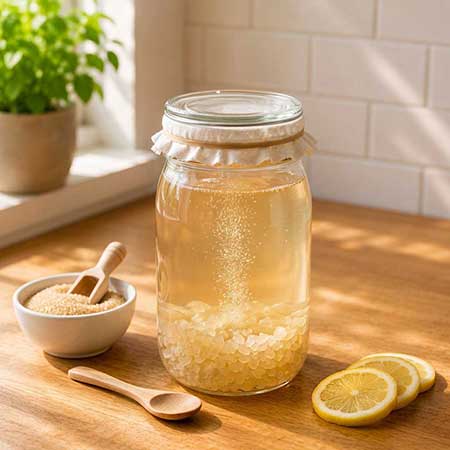
How to Make Water Kefir
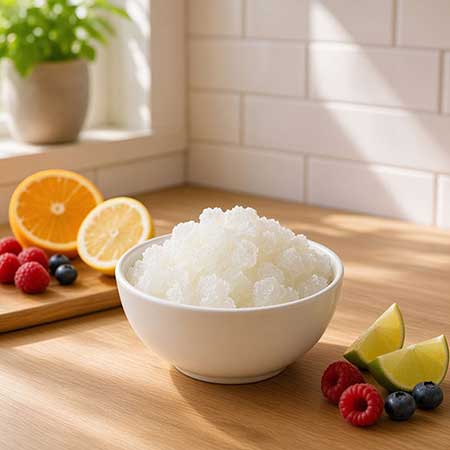
Shop Water Kefir Grains
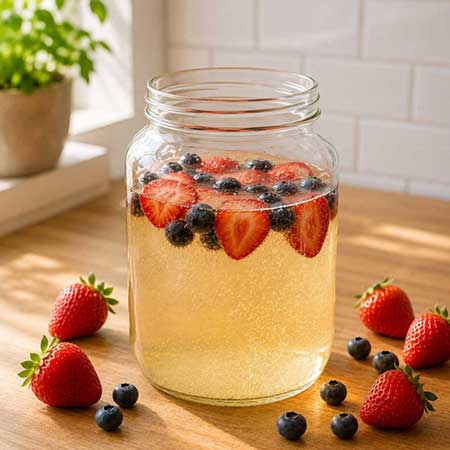
Water Kefir Recipes
