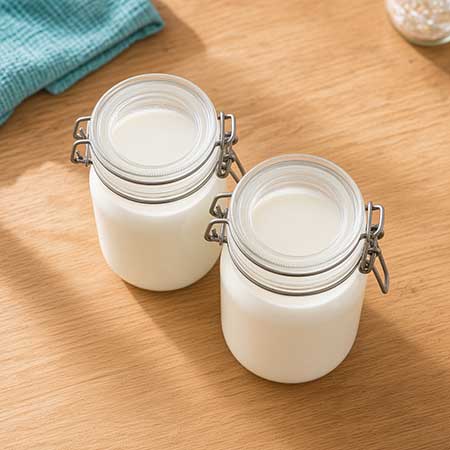

Milk Kefir Second Fermentation
Milk Kefir Second Fermentation: How to Do It & Why It Matters
The Short Answer
Milk kefir second fermentation is the stage after straining where you leave the finished kefir, without the grains, for a further 6 to 12 hours at room temperature or up to 24 hours in the fridge. This mellows the sharp sour notes, thickens the texture, increases creaminess and allows you to infuse fruit or flavourings. Your live kefir grains go straight into a fresh batch of milk while the second ferment develops.
Your kefir is ready to drink after the first ferment but if you want it creamier, smoother, and packed with even more probiotics, a second fermentation is worth the extra time. Want to understand what kefir is and how the fermentation process actually works? Read our complete what is kefir guide first.
Once you’ve made your first batch of milk kefir and strained out the grains, all you do is let it sit a little longer, no grains, no fuss. That extra time is what turns the sharp, sour taste into something much more enjoyable, thickens up the texture, and lets the good bacteria keep doing their thing.
You can also add in some fruit at this stage, mango, strawberry, or a slice of orange work really well, to naturally sweeten the flavour and give it a bit of fizz. New to kefir? Find out what daily kefir drinking does for your gut health and overall wellbeing.
What Does a Second Fermentation Actually Do?
Think of your first ferment as the foundation, it does the hard work. The second ferment is where things get interesting.
After you strain out the grains, your kefir is alive and active. Letting it sit a little longer without the grains gives the bacteria time to finish what they started. Here’s what that actually means for you:
- Smoother taste. That sharp, yeasty bite from the first ferment mellows out significantly. If you’ve ever found kefir too sour, F2 is what fixes that.
- Better for your gut. The bacteria keep breaking down any leftover lactose and produce extra B-vitamins and folic acid during this stage, meaning more nutritional value in every glass.
- Thicker texture. The proteins continue to bond as it sits, so you end up with a creamier, spoonable consistency rather than a thin, watery drink.
- Natural fizz. Seal it in a pressure rated bottle and you’ll get a gentle, natural carbonation, think a subtle effervescence rather than anything overwhelming.
Try some of our milk kefir recipes to make the most of your second ferment.
How to Do a Second Fermentation: Two Methods
Living in Ireland means your kitchen temperature does a lot of the decision making for you. Here’s how to choose the right method:
Countertop Second Fermentation
- Temperature: 20–22°C
- Time: 6–12 hours
- What you get: A slightly fizzy, tangy kefir with a sharper probiotic kick, great if you like a bit of zing
Refrigerated Second Fermentation
- Temperature: 4°C (standard fridge)
- Time: 24–48 hours
- What you get: Thick, smooth, and mellow, the better choice if you’re blending it into smoothies or want something closer to yogurt
What Can You Add to a Second Fermentation?
Plain kefir works perfectly fine for an F2, but adding fruit, spices, or aromatics gives the bacteria something extra to work with, which means more complex flavours and a better drinking experience overall.
The Flavour Matrix
- The Sweeteners: Fresh Mango, Strawberry, or a slice of Orange. (The fruit sugars boost carbonation).
- The Warmers: A stick of Cinnamon, a scrape of Vanilla bean, or high quality Cocoa powder.
- The Savory Shift: A sprig of Mint, Basil, or even a slice of Cucumber for a “Tzatziki” style finish.
Mastery Tip: If adding citrus peel (Lemon/Orange), ensure it is organic. Conventional citrus skins are treated with wax and fungicides that can inhibit the beneficial bacteria during the F2.
Second Fermentation Step by Step
- Infuse: Place your chosen flavourings into the jar of strained kefir.
- Seal: Use a tight fitting lid to trap CO2 if you want “fizz.” Use a cloth cover if you prefer a flat, thick texture.
- Strain (Again): After 6–48 hours, remove the fruit or spices. If left too long, the fruit may begin to degrade and affect the texture of the kefir.
- Refridgerate: Store the finished F2 kefir in the fridge. It will stay fresh and continue to develop slowly for up to 2 weeks.
Still have questions about your first batch?
Fermentation is a living process, and it’s natural to wonder if your Milk Kefir is behaving correctly. If you’re noticing separation into curds and whey, wondering about sourness, or just want to double check your ratios, visit our Comprehensive Milk Kefir FAQ & Troubleshooting Hub. We’ve answered every question from Ireland’s community of 5,000+ brewers to ensure your success.
Learn More About Milk Kefir
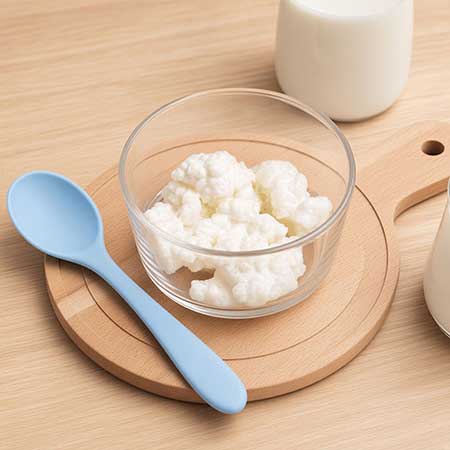
Shop Milk Kefir Grains
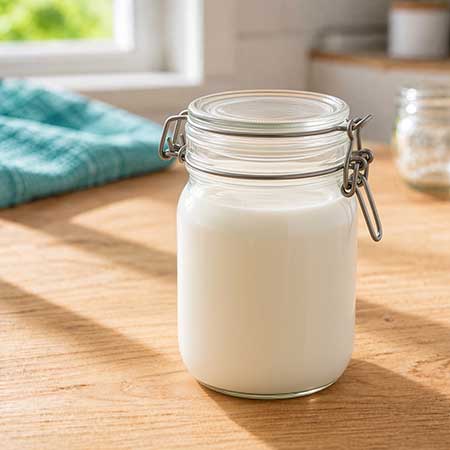
How to Make Milk Kefir
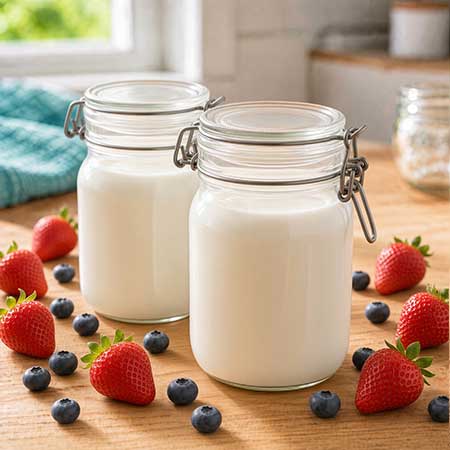
Milk Kefir Recipes