What is a Sourdough Starter?
What is a Sourdough Starter? Everything You Need to Know Before You Bake
Sourdough Starter: The Simple Explanation
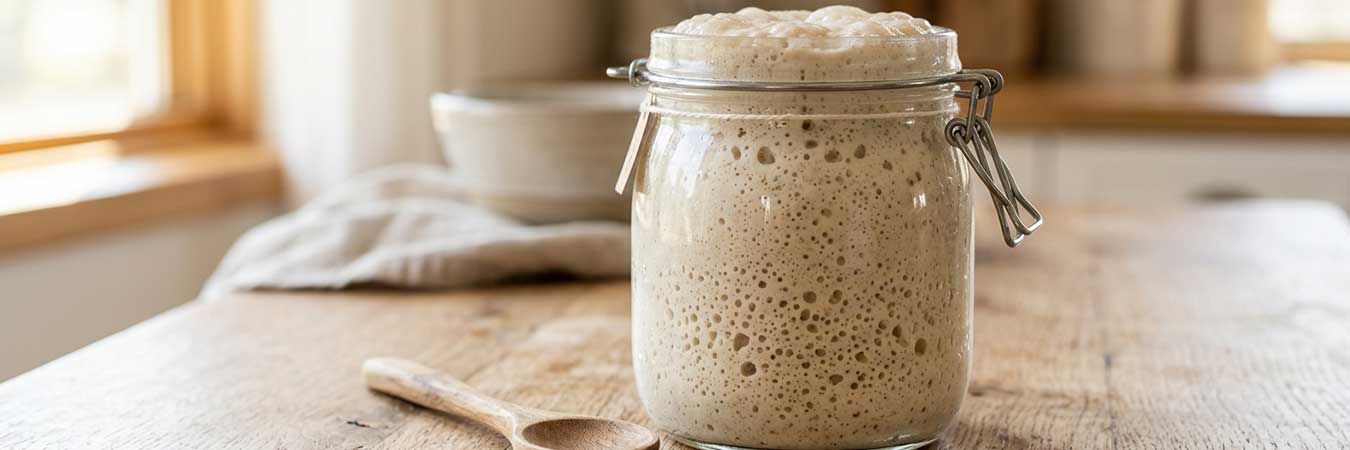
A sourdough starter is a living culture of wild yeast and beneficial bacteria that makes bread rise naturally, without commercial yeast. It is made from just flour and water, and once active, it can be kept alive indefinitely with regular feeding. Every sourdough loaf you bake using a live starter will have a deeper flavour, a better crust and a more open crumb than anything made with shop bought yeast.
In This Sourdough Starter Guide
If you have been curious about sourdough baking but are not quite sure where to begin, understanding what a sourdough starter is will make everything else fall into place. It is the foundation of every sourdough loaf, and once you have one that is healthy and active, the baking itself becomes surprisingly straightforward.
Sourdough is one of the oldest forms of bread making in the world. Before commercial yeast existed, every baker relied on a living culture to make their bread rise. Today, home bakers across Ireland and beyond are returning to this method, drawn by the flavour, the process and the satisfaction of baking bread from something genuinely alive.
In this guide we cover everything a beginner needs to know about sourdough starters, what they are, how they work, how to feed and store them, which type suits your baking, and how to get started. If you are ready to begin, you can browse our full range of live sourdough starters here.
How a Sourdough Starter Actually Works
🌿 A sourdough starter is self sustaining. Fed regularly with flour and water, it will stay alive and active indefinitely. Many of the starters we supply at NutriBrew carry lineages spanning decades and in some cases over a century.
The name sourdough comes from the natural acidity produced during fermentation. The lactic acid bacteria in the starter produce lactic and acetic acid as byproducts of fermentation, which gives the bread its characteristic sour flavour and also contributes to its longer shelf life compared to commercially yeasted bread.
The Science Behind Sourdough Starter Fermentation
When you mix flour and water and introduce a sourdough starter, the wild yeast and bacteria in the culture begin feeding on the sugars naturally present in the flour. This feeding process is called fermentation, and it produces two key things: carbon dioxide gas, which makes the dough rise, and organic acids, which develop the flavour.
The process happens in a cycle. You feed the starter with fresh flour and water, the yeast and bacteria consume the available sugars, the culture becomes active and bubbly, peaks, and then begins to slow down as the food runs out. This is why regular feeding is so important, it keeps the culture well nourished and ready to leaven your bread effectively.
NutriBrew Tip: Temperature has a big effect on how quickly your starter works. Below 16°C it slows right down and may appear inactive. Above 25°C it moves through its cycle very quickly and can become overly acidic. The sweet spot for most starters is 18-22°C.
A healthy, active starter at the right temperature will typically double in size within 4-8 hours of feeding, showing lots of bubbles throughout and a domed top at its peak. This is the ideal moment to use it in a bread recipe, when it is at its most active and full of gas.
How to Feed a Sourdough Starter
Feeding a sourdough starter is the process of adding fresh flour and water to keep the culture alive and active. It is simpler than most people expect, and once you understand the basic ratio it becomes second nature.
Basic Feeding Guide for an 80g Starter
Step 1: Use a clean glass jar, sterilised with boiling water and fully cooled before use.
Step 2: Add your 80g starter to the jar.
Step 3: Add 40g of flour and 40g of filtered water. This is a 1-1 ratio by weight.
Step 4: Mix thoroughly until no dry flour remains.
Step 5: Cover loosely and leave at room temperature, ideally 18-22°C.
Step 6: Feed once or twice daily until the starter is bubbly and doubling in size reliably.
For our larger 160g starter the process is exactly the same, simply scale up your flour and water additions proportionally while keeping the 1-1 ratio. The more starter you have, the more flour and water it needs at each feeding to stay well nourished.
Important: Always use filtered or still mineral water rather than tap water where possible. Chlorine in tap water can inhibit the wild yeast and slow your starter down, particularly in the early stages. Our full step by step guide at how to activate your sourdough starter covers this in detail.
How to Store a Sourdough Starter
How you store your sourdough starter depends on how often you bake. There are two main approaches and each suits a different kind of baker.
Room Temperature Storage
Best for: Bakers who bake every day or several times a week.
How: Keep on the counter at 18-22°C and feed once or twice daily.
Result: Starter stays consistently active and ready to use at any time.
Fridge Storage
Best for: Bakers who bake once a week or less.
How: Feed your starter, leave at room temperature for 1 hour to get the yeast working, then seal tightly and place in the fridge.
Maintenance: Feed once a week to keep it alive and healthy.
Before baking: Take it out of the fridge 1-2 days before you want to bake and feed it once or twice daily to bring it back to full activity.
🏠 The fridge is your best friend if you are not a daily baker. A well maintained starter kept in the fridge only needs one feed per week to stay healthy and will last indefinitely.
You may notice a dark liquid forming on top of a starter that has been in the fridge for a while. This is called hooch, and it is simply alcohol produced by hungry yeast. It looks alarming but it is completely harmless. Just pour it off, then feed your starter on a 1-1-1 ratio, equal parts starter, flour and water, for 2-3 days to bring it back to full strength before baking.
Wet Starters vs Dry Starters: What is the Difference?
Sourdough starters come in two main forms, wet and dry, and understanding the difference will help you choose the right one and know what to expect when it arrives.
| Feature | Wet Live Starter | Dry Starter |
|---|---|---|
| State when delivered | Active, alive and ready to use | Dormant, needs rehydration first |
| Time to first bake | As little as 1-3 days after arrival | Typically 5-7 days to fully activate |
| Microbial diversity | Full, nothing lost in the drying process | Some strains may be reduced by drying |
| Shelf life before use | Best used within a few days of delivery | Can be stored for months before use |
| Flavour development | Richer, more complex from the start | Takes longer to develop full character |
| Best for | Bakers ready to start straight away | Those who want to store before starting |
All of our NutriBrew starters are supplied as wet, live cultures shipped in their active state. This means your starter arrives ready to wake up quickly, with its full microbial community intact and its flavour character already developing. We supply both 80g and 160g portions depending on how much you want to get started with.
Types of Sourdough Starter: Which Flour Makes a Difference?
The flour used to develop and maintain a sourdough starter has a significant effect on its flavour, activity level and the kind of bread it produces. Here is a plain English guide to the main types and what makes each one distinctive.
| Starter Type | Flour Base | Flavour Profile | Best For |
|---|---|---|---|
| San Francisco | White wheat flour | Classic tangy sourdough, well balanced acidity | White sourdough loaves, beginners |
| White Wheat | White bread flour | Mild, slightly sweet, lighter tang | Everyday white loaves, focaccia, pizza |
| Rye | Dark rye flour | Deep, earthy, robust and bold | Rye bread, dark loaves, experienced bakers |
| Alaskan | Wheat flour | Strong rise, pronounced tang, highly active | High altitude baking, cold kitchens, enthusiasts |
| Colorado Brown | Wholemeal wheat flour | Nutty, complex, rich and wholesome | Wholemeal loaves, artisan style breads |
| Gluten Free | Gluten free flour blend | Mild, clean flavour, naturally lighter | Gluten free baking, coeliac friendly loaves |
Which Sourdough Starter is Right for You?
If you are new to sourdough baking, the best place to start is with a starter that is forgiving, reliable and produces a bread you will enjoy eating. Here is our honest guide to choosing the right one based on where you are starting from.
Choosing Your First Starter
Complete beginner: San Francisco sourdough starter, classic, reliable and well balanced. The most widely used starter in the world for good reason.
Want a milder flavour: White wheat sourdough starter, lighter tang, versatile for everyday baking including pizza and flatbreads.
Love a bold, hearty loaf: Rye sourdough starter, deep earthy flavour, extremely active and resilient.
Cold kitchen or high activity needed: Alaskan sourdough starter, bred to perform in cooler conditions with a strong, vigorous rise.
Prefer wholemeal bread: Colorado Brown sourdough starter, nutty, wholesome and beautifully complex.
Gluten free baking: Gluten free sourdough starter, specifically developed for gluten free flours, suitable for coeliac bakers.
Signs Your Sourdough Starter is Healthy and Active
Knowing what a healthy starter looks and smells like gives you the confidence to bake with it at the right time. Here is what to look for.
Signs of a Healthy, Active Starter
- Begins to show activity within 2-3 days of arrival, becoming more reliable with each feed
- Lots of bubbles visible throughout the mixture and on the surface
- Domed top at its peak, before it begins to fall back
- Smells pleasantly sour, tangy or yeasty, similar to yogurt or beer
- Stretchy, almost elastic texture when you pull it
- Passes the float test, a small spoonful dropped in water floats when fully active
A starter that is doubling reliably and smells pleasantly tangy is ready to bake with. Use it at or just before its peak for the best rise and flavour in your loaf.
Common Sourdough Starter Problems and How to Fix Them
Every sourdough baker encounters the occasional issue, particularly in the early weeks. Here are the most common problems and straightforward fixes.
| Problem | Likely Cause | Fix |
|---|---|---|
| Not rising or bubbling | Too cold, or needs more time to activate after delivery | Move to a warmer spot, 18-22°C, and feed daily for 2-3 days |
| Dark liquid on top | Hooch, alcohol produced by hungry yeast | Pour it off, feed on a 1-1-1 ratio for 2-3 days |
| Smells very strongly of alcohol or acetone | Underfed or too warm | Increase feeding frequency and move to a cooler spot |
| Bread not rising properly | Starter not active enough at time of use | Feed daily for 2-3 days before baking and use at peak activity |
| Pink, orange or fuzzy growth | Contamination or mould | Discard and start fresh. Do not bake with a contaminated starter |
| Starter too sticky or too stiff | Hydration ratio off | Adjust water or flour at next feeding to bring back to a thick, pourable consistency |
Making a Sourdough Starter from Scratch vs Buying a Live One
You can make a sourdough starter from scratch at home using just flour and water. The process involves mixing equal parts of each and feeding daily for around 7-14 days until the wild yeast from your environment colonises the mixture and it becomes reliably active. It works, and many bakers enjoy the process.
However there are a few things worth knowing before deciding which route to take.
| Feature | Homemade from Scratch | Live Bought Starter |
|---|---|---|
| Time to first bake | 7-14 days minimum | As little as 1-3 days after arrival |
| Flavour character | Develops slowly over weeks and months | Already established, richer from the start |
| Reliability | Variable, depends on environment and flour | Consistent, proven culture with established character |
| Lineage | Brand new | Some carry decades or centuries of history |
| Cost | Just flour and water | One off purchase, lasts indefinitely |
A NutriBrew starter gets stronger and more characterful the longer you use it. A starter that has been fed and baked with for 6 months will be significantly more resilient and flavourful than one that is just a week old, whether homemade or bought. The investment in a quality live starter pays for itself many times over in better bread from day one.
Frequently Asked Questions About Sourdough Starters
How long does it take to activate a sourdough starter?
A live wet starter from NutriBrew typically shows strong activity within 2-3 days of arrival when kept at 18-22°C and fed daily. Some starters, particularly rye based ones, wake up even faster. If your kitchen is cooler it may take a few extra days, which is completely normal.
What flour should I use to feed my sourdough starter?
Use the same type of flour that your starter is based on where possible. A white wheat starter does well fed with white bread flour. A rye starter thrives on rye flour. Using a different flour is not a disaster but feeding a starter with its preferred flour keeps it at its most active and consistent. Always use unbleached flour where you can, as bleached flour can inhibit activity.
Can I use tap water to feed my sourdough starter?
Tap water can work but filtered or still mineral water is better, particularly in the early stages. Chlorine in tap water can slow down wild yeast activity. If tap water is all you have, leave it in an open container for a few hours before using it to allow the chlorine to dissipate.
How do I know when my sourdough starter is ready to bake with?
Your starter is ready to bake with when it is doubling in size reliably within 4-8 hours of feeding, smells pleasantly tangy or yeasty, and passes the float test where a small spoonful floats in water. Use it at or just before its peak for the best results in your bread.
Can I freeze a sourdough starter?
Yes, you can freeze a sourdough starter as a backup. Spread a thin layer onto baking paper, allow it to dry completely, then break it into flakes and store in a sealed bag in the freezer. To revive it, rehydrate with equal parts water and flour and feed daily for 3-5 days until fully active again. The fridge is a better option for regular storage as freezing can reduce microbial diversity over time.
What is sourdough discard and what can I do with it?
Sourdough discard is the portion of starter you remove before feeding. Rather than throwing it away, it can be used in a wide range of recipes including pancakes, crackers, flatbreads, pizza dough and more. It adds flavour and a slight tang even when it is not active enough to leaven bread on its own. Check our sourdough bread recipe guide for ideas on how to use your starter.
Does sourdough starter go bad?
A sourdough starter does not go bad in the traditional sense as long as it is fed regularly. The acidity of a healthy starter naturally prevents harmful bacteria from taking hold. The exception is if you see pink, orange or fuzzy growth on the surface, which indicates contamination. In that case discard it and start fresh. A starter that smells strongly of alcohol or acetone is simply hungry and can be revived with a few days of regular feeding.
Have a specific question about your starter?
Visit our sourdough starter FAQ page for answers to every common question.
Ready to Start Baking Sourdough?
Everything you need to get started, from activating your starter to baking your first loaf.